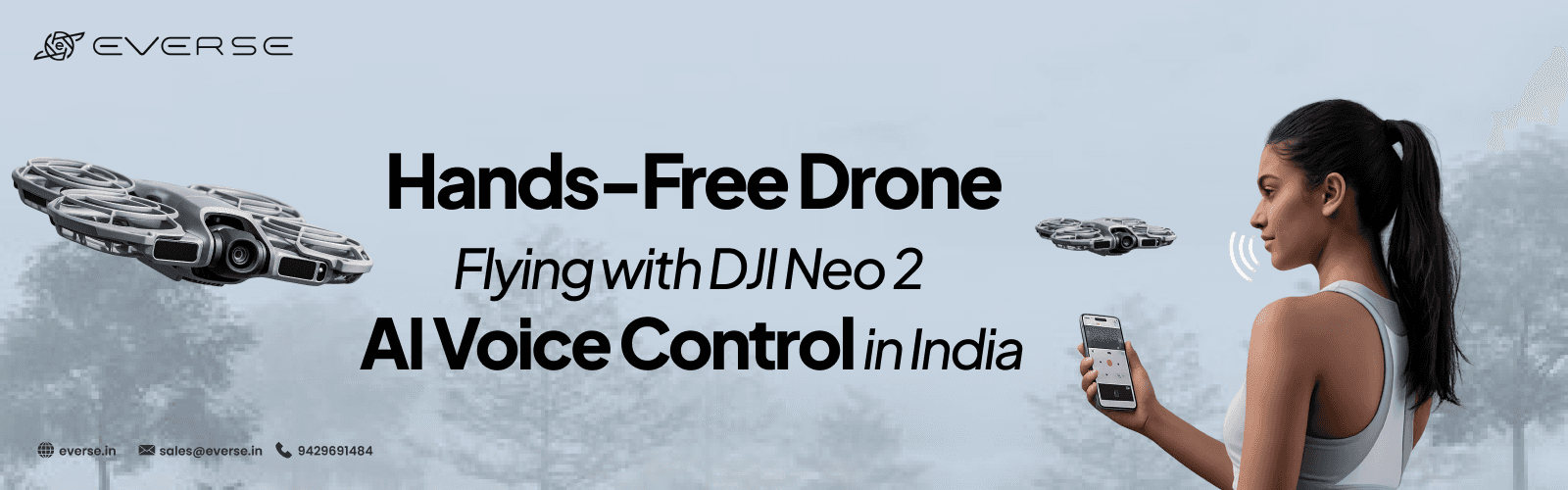
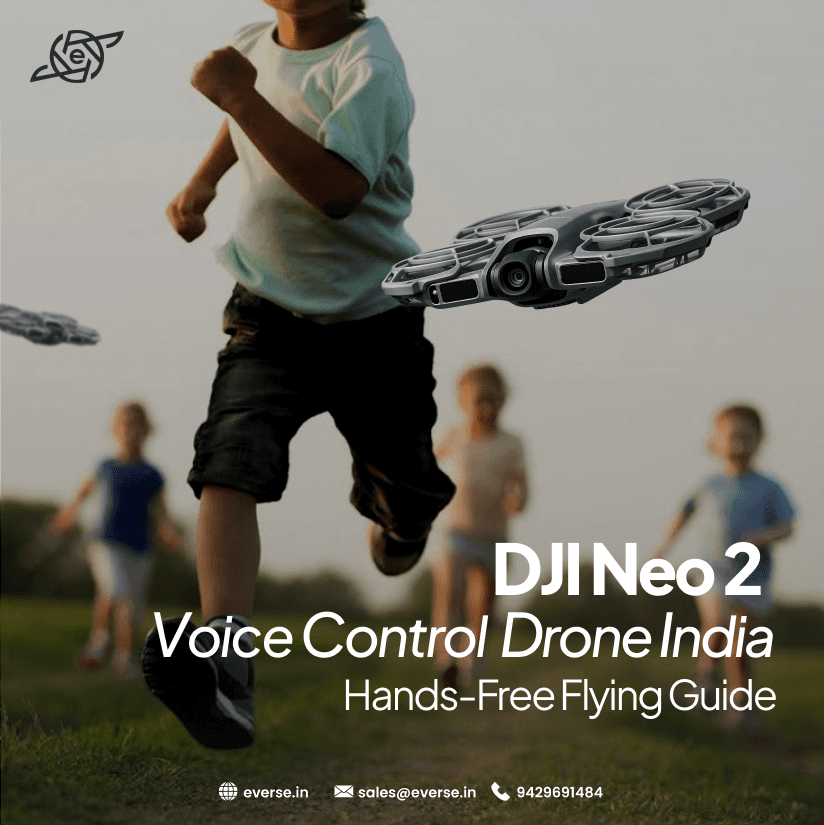
DJI Neo 2 Voice Control: Hands-Free Flying Guide
The idea of controlling a drone without even touching a controller used to feel like something out of a sci-fi movie. Fast forward to today, and the DJI Neo 2 voice control system is making that futuristic vision a practical reality. Imagine standing on a mountain peak, hands occupied with gear, and still being able to launch, steer, and land your drone with nothing but your voice. That’s not just convenience—it’s a complete shift in how we interact with aerial technology.
At its core, voice control in the DJI Neo 2 is about removing friction between intention and action. Instead of navigating joysticks or tapping on screens, you simply say what you want. “Take off,” “follow me,” or “capture video”—these commands translate instantly into movement and action. It feels natural, almost like giving instructions to a skilled assistant who never hesitates.
But this innovation isn’t just about novelty. It’s deeply practical. For content creators, adventurers, and professionals working in dynamic environments, hands-free control opens up creative and operational possibilities that traditional drones can’t match. You’re no longer tied to a controller—you’re free to move, perform, and focus on the moment while the drone responds seamlessly.
There’s also an accessibility angle worth noting. Voice control lowers the barrier to entry for beginners who might feel intimidated by complex controllers. Instead of memorizing controls, you rely on natural language, making drone flying feel far less technical and far more intuitive.
As we dive deeper into this guide, you’ll see that mastering DJI Neo 2 voice control isn’t just about knowing commands—it’s about understanding how to use this technology effectively, safely, and creatively.
Voice control transforms drone operation from a manual task into a conversational experience. Instead of reacting to the drone, you’re directing it in real time with simple, spoken instructions. This shift might sound subtle, but in practice, it completely changes how you approach flying.
Think about traditional drone control for a second. You’re constantly juggling inputs—adjusting altitude, maintaining stability, framing your shot, and avoiding obstacles—all at once. It’s like playing a musical instrument where every finger matters. Now replace that complexity with a simple phrase like, “Rise to 10 meters and follow me.” Suddenly, the mental load drops dramatically.
This is where DJI Neo 2’s AI-powered voice recognition shines. It doesn’t just hear commands; it interprets intent. That means smoother execution and fewer interruptions in your workflow. For creators, this is huge. You can focus entirely on storytelling while the drone handles the mechanics.
There’s also a strong emotional component. Using voice commands feels more personal and engaging. It’s almost like collaborating with the drone rather than controlling it. That connection can make flying more enjoyable, especially for hobbyists who want the experience to feel less technical and more immersive.
Another game-changing aspect is multitasking. Whether you’re cycling, hiking, or filming yourself, voice control allows you to stay active while still capturing high-quality footage. You’re no longer forced to stop, adjust controls, and restart—everything happens fluidly.
And let’s not ignore safety. While it might seem counterintuitive, voice control can actually enhance safety when used correctly. By reducing the need to look down at a controller, you stay more aware of your surroundings. That situational awareness can make a big difference, especially in complex environments.
Not every drone feature is for everyone, but hands-free flying with DJI Neo 2 casts a surprisingly wide net. From casual users to seasoned professionals, there’s a strong case for why voice control can fit into different lifestyles and workflows.
For content creators, especially vloggers and solo filmmakers, this feature is almost a no-brainer. Imagine filming a travel vlog without needing a second person to operate the drone. You can walk, talk, and interact with your environment while the drone follows and records you effortlessly. It’s like having a personal camera crew that responds instantly to your instructions.
Adventure enthusiasts also benefit massively. Whether you’re hiking rugged trails, kayaking, or climbing, your hands are often occupied—or should be. Voice control lets you capture those moments without compromising safety or breaking your flow. You don’t have to stop mid-action just to adjust your drone.
Then there are professionals in industries like real estate, agriculture, and inspection services. For them, efficiency is everything. Voice commands can speed up repetitive tasks, allowing for quicker data collection and smoother operations. It’s not just about convenience—it’s about productivity.
Even beginners find value here. Traditional drone controls can feel overwhelming at first, with multiple sticks, buttons, and settings to learn. Voice control simplifies that learning curve. You can start flying almost immediately, building confidence as you go.
That said, it’s not a one-size-fits-all solution. Pilots who prefer precise, manual control—especially in high-stakes or technical scenarios—might still rely on traditional controllers. Voice control is best seen as a powerful complement rather than a complete replacement.
In the end, if your workflow benefits from mobility, simplicity, or multitasking, DJI Neo 2 voice control isn’t just useful—it’s transformative.
When you start digging into what makes the DJI Neo 2 stand out in India’s rapidly growing drone market, it’s not just the voice control grabbing attention—it’s the entire ecosystem working together seamlessly. This drone isn’t built as a gimmick; it’s engineered as a compact, intelligent flying machine that blends AI automation, portability, and high-performance imaging into a single device.
First, let’s talk about portability. The DJI Neo 2 is designed for users who are always on the move. Whether you're traveling across Indian cities like Mumbai and Delhi or exploring remote landscapes in Ladakh, the lightweight and foldable design makes it incredibly easy to carry. It fits into backpacks without feeling like a burden, which is a big deal for creators and travelers.
Now, combine that with its high-resolution camera system, and you’ve got a drone that delivers stunning visuals. Expect crisp 4K video, stabilized footage, and intelligent shooting modes that automatically adjust based on your environment. For Indian creators focusing on YouTube, Instagram Reels, or travel vlogs, this is a major advantage because quality content stands out instantly in a crowded digital space.
Battery performance is another highlight. The Neo 2 offers optimized flight time that supports longer शूटिंग sessions without constant interruptions. In real-world usage, especially in India’s varied climates, this consistency matters. Nobody wants their drone cutting off mid-shot during a sunset capture in Goa or a wedding shoot in Jaipur.
What really ties everything together is DJI’s software ecosystem. The DJI Fly app integration ensures smooth control, live preview, and quick edits. Add voice control on top of that, and you’re no longer just piloting a drone—you’re managing an intelligent system that anticipates your needs.
If you're considering buying this drone in India, it’s worth exploring trusted platforms that provide authentic products, support, and deals. You can check out the latest availability, pricing, and offers directly here:
The real magic behind DJI Neo 2’s voice control lies in its AI-driven voice recognition engine. This isn’t basic speech detection—it’s a system trained to understand context, accents, and intent, which is especially important in a diverse country like India where accents and speech patterns vary widely.
Think about how you naturally speak. You don’t always use robotic, precise phrases. Sometimes you say, “Hey, follow me,” or “Go a little higher.” The Neo 2 is designed to interpret these variations, making interactions feel fluid rather than forced. This is where the drone starts to feel less like a gadget and more like a responsive companion.
The AI also learns over time. The more you use voice commands, the better it adapts to your tone and pronunciation. This adaptive learning is crucial for improving accuracy, especially in outdoor environments where background noise—traffic, wind, or crowds—is common.
Another important aspect is real-time processing. Commands are executed with minimal delay, which is essential when you're capturing dynamic shots. Imagine giving a command during a moving बाइक ride or while trekking—the drone needs to respond instantly, and that’s exactly what the Neo 2 aims to deliver.
From an SEO perspective, this is where DJI is clearly targeting the future of drone interaction. Keywords like “AI drone India,” “voice control drone India,” and “hands-free drone flying” are gaining traction, and the Neo 2 sits right at the center of this trend.
.webp)
Getting started with voice control on the DJI Neo 2 isn’t complicated, but doing it right makes a huge difference in performance. Many users rush through setup and then complain about accuracy issues, when in reality, a few extra minutes upfront can completely transform the experience.
First, ensure your drone firmware and DJI Fly app are fully updated. DJI frequently rolls out updates that improve voice recognition accuracy and AI performance, so skipping this step is like using an outdated smartphone app—it just won’t perform at its best.
Next, you’ll need a compatible smartphone with a decent microphone. In India, where background noise can be unpredictable, your phone’s mic quality plays a big role. If you're serious about using voice control regularly, consider using wireless earbuds with a built-in mic for clearer command input.
During setup, the system may prompt you to calibrate voice recognition. This usually involves speaking a few sample commands so the AI can understand your voice pattern. Don’t rush this part—speak naturally and clearly, as if you’re actually flying the drone.
Also, choose a relatively quiet environment for the initial setup. Trying to configure voice control in a noisy market or roadside area will only confuse the system and reduce accuracy later.
Once the basics are set, the next step is linking your voice commands directly to drone actions. This is where the experience becomes exciting because you start seeing how your words translate into real movement.
The DJI Fly app acts as the central hub. Inside the settings, you’ll find a voice control section where you can enable commands and customize certain triggers. Some commands are predefined—like “Take off,” “Land,” or “Follow me”—while others can be slightly adjusted based on preferences.
The foundation of hands-free flying lies in mastering basic commands. These are your everyday instructions—the ones you’ll use in almost every flight session.
Commands like:
-
“Take off”
-
“Land”
-
“Hover”
-
“Return home”
These might sound simple, but they form the backbone of safe drone operation. When you're flying in India’s diverse environments—whether it’s crowded urban areas or open rural fields—having quick, reliable commands can make all the difference.
Once you’re comfortable, advanced commands unlock the real power of the DJI Neo 2. This is where creativity meets control.
You can issue commands like:
-
“Follow me”
-
“Circle around me”
-
“Move up 10 meters”
-
“Track subject”
These commands allow you to create cinematic shots without needing professional piloting skills. For Indian creators shooting travel content, weddings, or real estate videos, this is a massive advantage.
Voice control is powerful, but it doesn’t replace situational awareness. Always keep visual contact with your drone. India’s environments can be unpredictable—wires, trees, birds, and buildings can pose risks.
Always remember fallback commands like “Stop” or “Return home.” These can save your drone in critical situations.
India’s creator economy is booming, and drones are becoming essential tools. Voice control allows solo creators to produce professional-quality content without a team.
Noise can affect accuracy—especially in busy Indian cities.
While advanced, it’s not perfect. Always be ready to switch to manual control.
|
Feature |
Voice Control |
Traditional Controller |
|
Ease of Use |
High |
Medium |
|
Precision |
Medium |
High |
|
Hands-Free |
Yes |
No |
|
Learning Curve |
Low |
Medium |
Regular use improves accuracy over time.