DJI Avata 2 Low-Light Flight Experience Review

Low-light flying feels risky. Shadows hide obstacles. Depth feels confusing.
This is where many drones struggle. DJI Avata 2 handles low-light differently.
It is designed for close-range FPV flight where control and awareness matter more than raw brightness.
This review focuses on how Avata 2 actually behaves when light drops.
Flying in low light is not about perfect visuals. It is about control, awareness and confidence.
You need:
-
stable flight response
-
clear FPV feed
-
predictable movement
-
protection in tight spaces
Avata 2 focuses on these basics instead of chasing cinematic night footage.
Avata 2 gives you an immersive FPV view through goggles. In low light, this matters more than resolution.
You can:
-
judge distance better
-
react faster to obstacles
-
maintain smooth direction
The wide field of view helps you stay aware of surroundings even when details are limited.

Low-light flights often happen indoors or near structures. Avata 2 stays controlled because of:
-
tuned FPV flight profile
-
strong position holding
-
predictable throttle response
You do not fight the drone. You guide it. This helps when flying:
-
warehouses
-
parking areas
-
night streets
-
indoor walkthroughs
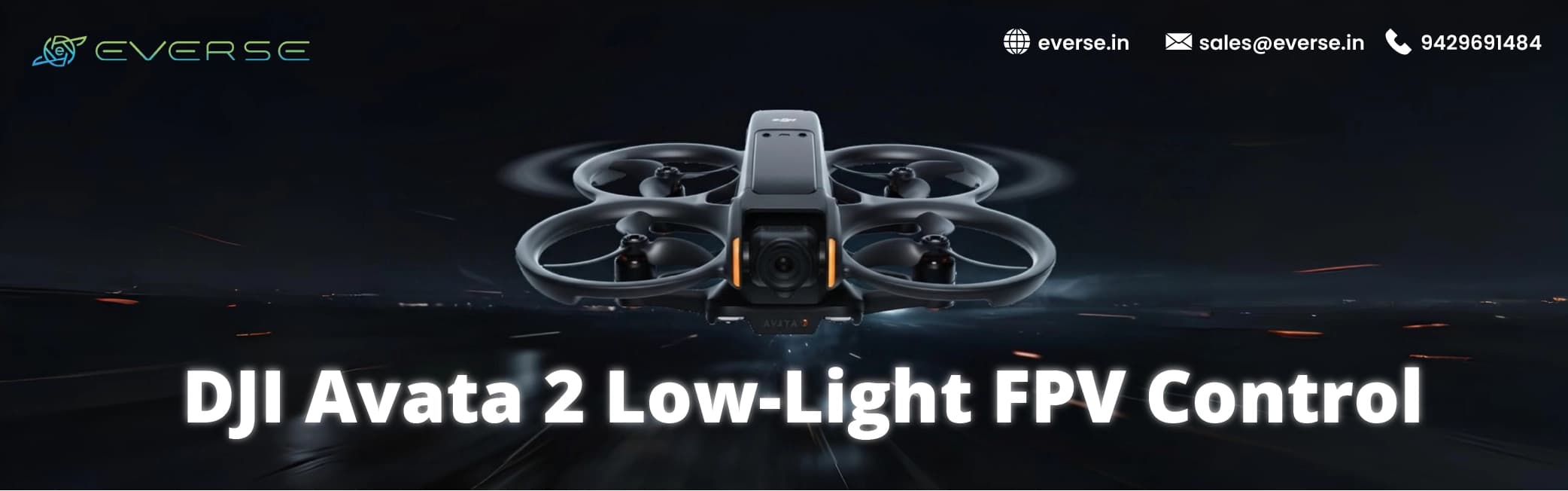
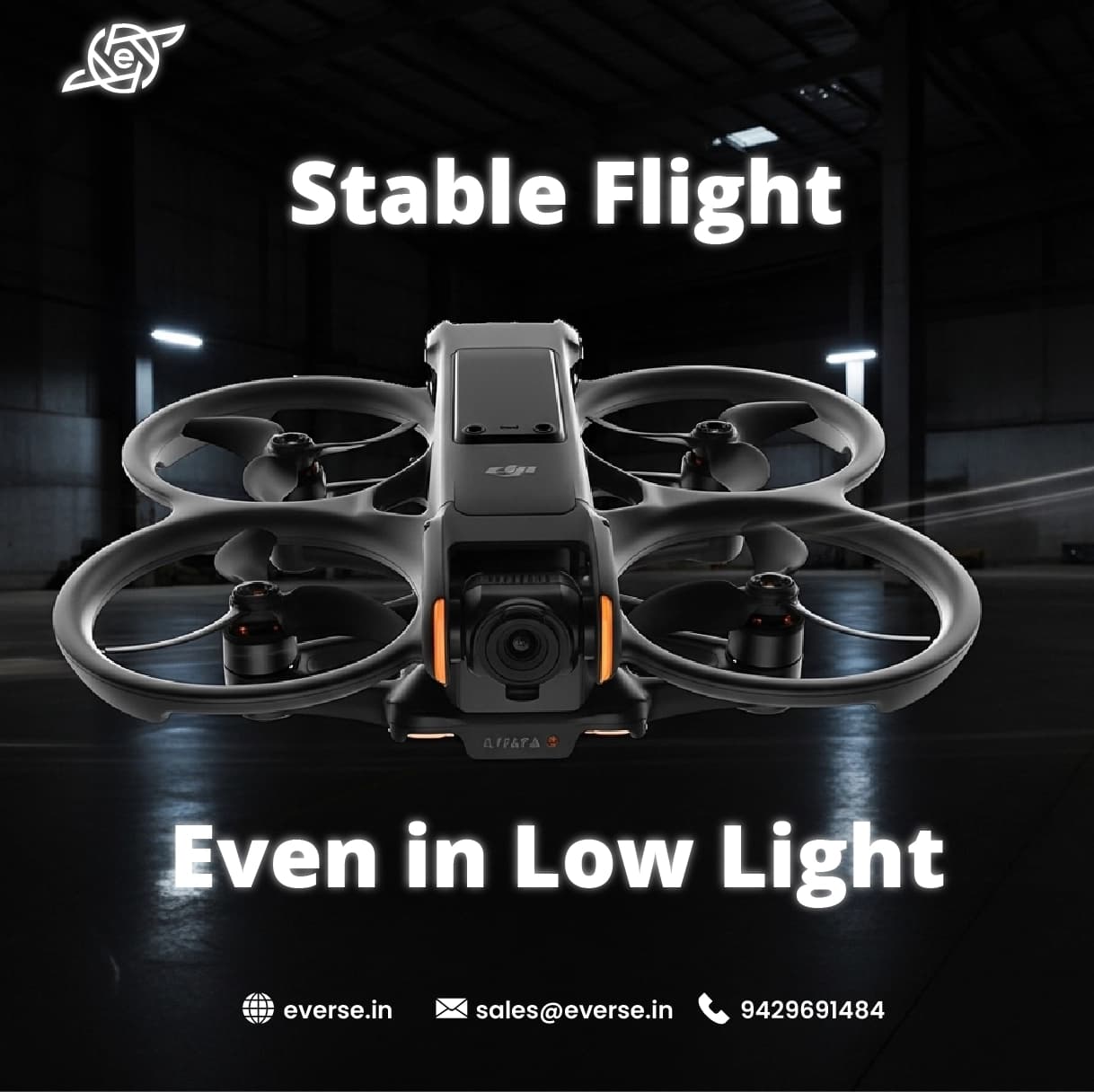
Avata 2 includes full propeller guards. This changes how you approach night flying.
You can:
-
fly closer to objects
-
explore narrow gaps
-
correct mistakes without panic
For low-light FPV safety matters more than speed.
Avata 2 is not built for bright night cinematics. It is built for visibility.
You get:
-
usable low-light video
-
controlled noise levels
-
stable exposure during motion
This works well for:
-
FPV walkthroughs
-
indoor fly-throughs
-
night practice sessions
-
content with ambient lighting
Low light increases stress. Motion control reduces it. With motion controller:
-
turns feel smoother
-
speed stays controlled
-
mistakes are easier to recover
This makes Avata 2 friendly even if you are new to FPV flying at night.
DJI Avata 2 works best in:
-
indoor night shoots
-
low-lit commercial spaces
-
garages and basements
-
evening FPV practice
-
creative slow FPV moves
It is not meant for pitch-dark open fields. It shines where controlled low-light flying is needed.
|
Aspect |
Avata 2 Performance |
|
FPV Visibility |
Stable and immersive |
|
Indoor Control |
Very strong |
|
Obstacle Safety |
High due to guards |
|
Noise in Low Light |
Manageable |
|
Night Cinematic Quality |
Average |
|
Beginner Confidence |
High |
This balance makes sense for FPV-style use.
Choose Avata 2 if:
-
you fly FPV indoors
-
you practice FPV at night
-
you want controlled low-light movement
-
you value safety and confidence
Skip it if you want long-range night landscapes or cinematic city shots.
DJI Avata 2 does not try to impress with flashy night visuals. It focuses on control. In low light:
-
it stays predictable
-
it feels safe
-
it builds confidence
For FPV pilots who fly in tight, dim environments, Avata 2 feels reliable.